



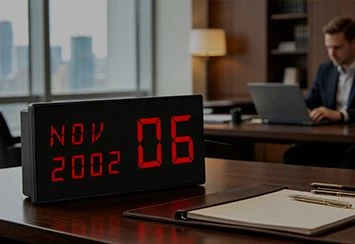

When it comes to LED scoreboards, one of the most fascinating aspects is their ability to display a wide array of colors. As an experienced LED scoreboard supplier, I've witnessed firsthand how the color capabilities of these boards can transform countless events, from sporting games to corporate gatherings. In this blog post, I'll delve into the various colors an LED scoreboard can display, the technology behind them, and how these colors can be used to enhance the overall experience.
The Basics of LED Color Display
LED, or Light - Emitting Diode, technology is at the heart of modern scoreboards. LEDs are semiconductor devices that emit light when an electric current passes through them. The color of the light emitted by an LED is determined by the materials used in its construction. Different semiconductor materials have different energy bandgaps, and when electrons move across these bandgaps, they release energy in the form of light with specific wavelengths. Each wavelength corresponds to a particular color.
Single - Color LEDs:
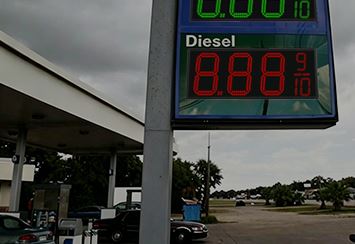
The most basic type of LEDs used in scoreboards are single - color LEDs. These LEDs are designed to emit only one specific color. The common single colors include red, green, and blue. Red LEDs are often made from aluminum gallium arsenide (AlGaAs) or gallium phosphide (GaP). They are widely used because they are energy - efficient and have a long lifespan. Green LEDs are typically fabricated from indium gallium nitride (InGaN) or gallium phosphide. These colors are popular in scoreboards because they are highly visible, even from a distance.
Multicolor and Full - Color LEDs:
To achieve a wider range of colors, scoreboards often use multicolor or full - color LEDs. Multicolor LEDs usually contain two or three different single - color LEDs in one package. For instance, a common type of multicolor LED contains a red and a green LED. By controlling the intensity of each of these single - color LEDs, the scoreboard can display different combinations of red and green, such as yellow (a mix of red and green).
Full - color LEDs, on the other hand, are more advanced. They contain red, green, and blue (RGB) LEDs in a single package. This combination is based on the principle of additive color mixing. By varying the intensity of the red, green, and blue LEDs independently, the scoreboard can create millions of different colors. For example, if the red and blue LEDs are at full intensity and the green LED is off, the scoreboard will display a purple color.
Specific Colors and Their Applications
Red:
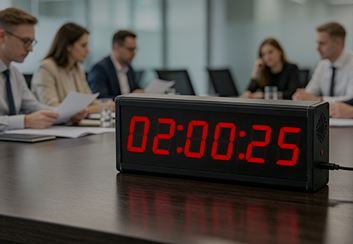
Red is one of the most commonly used colors on LED scoreboards. It has high visibility and is often associated with urgency, importance, or a sense of excitement. In sports, red is frequently used to highlight important information such as a team's final score, a penalty, or a time - out. The Red Wall Countdown LED Timer is a great example of a product that effectively uses the color red. The bright red color makes it easy for spectators and participants to keep track of time, especially in high - pressure situations.
Green:
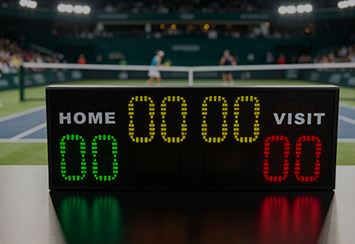
Green is another highly visible color that is often used on scoreboards. It is associated with nature, growth, and safety. In a scoreboard, green can be used to show positive information, such as a team's current lead or a successful play. For example, if a basketball team makes a three - pointer, the score increment might be displayed in green to signify the successful shot.
Blue:
Blue is a calming and professional color. On LED scoreboards, it can be used to display background information or to create a more sophisticated look. It is also useful for highlighting certain statistics or standby modes. For instance, some high - end scoreboards use a blue tint for sections that display historical data or player profiles.
Yellow:
Yellow is a bright and attention - grabbing color. It combines the energy of red and the freshness of green. Yellow can be used to draw attention to key announcements, such as upcoming events during a game or important sponsor messages.
Advanced Color Combinations and Effects
In addition to the basic colors, modern LED scoreboards can create complex color combinations and effects. For example, a scoreboard can display gradients, where one color gradually fades into another. This can be used to create a more dynamic and visually appealing display. Another effect is color cycling, where the scoreboard alternates between different colors at a set interval. This is often used during breaks in a game to keep the audience engaged.
Some scoreboards also support real - time color changes based on external factors. For example, if a team scores a goal, the entire scoreboard could flash in the team's colors. These advanced effects can significantly enhance the spectator experience and make the event more memorable.


Using the Right Colors for Different Events
The choice of colors on an LED scoreboard depends on the type of event. For a sports event, the colors are often chosen to match the teams' colors. This helps to create a more immersive experience for the fans. For example, if a football game is between the red - clad team and the blue - clad team, the scoreboard can use red and blue to display each team's information.
In a corporate event, the colors might be chosen to match the company's brand identity. A technology company with a blue and white logo might prefer a scoreboard that uses blue and white accents to display information such as presentation scores or participant rankings.
The Role of Color in Branding and Sponsorship
LED scoreboards also play an important role in branding and sponsorship. Sponsors often pay to have their logos or messages displayed on the scoreboard in their brand colors. This helps to increase brand visibility and recognition. For example, a soft - drink company with a bright red logo can have its logo prominently displayed in red on the scoreboard. This way, every time the scoreboard is viewed, the sponsor's brand is also in the spotlight.
Why Choose Our LED Scoreboards?
As an established LED scoreboard supplier, we offer a wide range of color options to meet the diverse needs of our clients. Our scoreboards are equipped with high - quality RGB LEDs that can produce vivid and accurate colors. Whether you need a simple single - color display for a local event or a full - color scoreboard with advanced effects for a large - scale tournament, we have the perfect solution for you.
We also provide customization services. You can choose the exact colors you want to match your team's or company's branding. Our team of experts will work closely with you to ensure that the scoreboard meets your specific requirements.
Contact Us for Your LED Scoreboard Needs
If you are interested in purchasing an LED scoreboard for your event, sports team, or business, we would love to hear from you. Our experienced sales team can provide you with detailed product information, pricing, and a free consultation. We can walk you through the color options, help you choose the right model based on your needs, and assist with the installation process.
Don't miss out on the opportunity to enhance your event with a high - quality LED scoreboard. Contact us today to start the procurement process and take your event to the next level.
References
- O'Rourke, J. (2019). LED Lighting Technology. Wiley.
- Smith, A. (2020). Color Theory in Digital Displays. Cambridge University Press.


